Eco-Friendly Approaches: How E-Waste Recycling Services Are Preserving Our Planet
E-waste represents a considerable hazard to the environment, as abandoned electronic devices commonly carry harmful materials. Such dangerous compounds can pollute soil and water supplies, leading to broader ecological damage. Electronic waste recycling programs offer an effective remedy. They not only recover valuable resources but also mitigate pollution. Understanding how these services operate and their impact on communities is essential. The path to successful electronic waste management prompts vital discussions about personal accountability and communal efforts. What actions should be considered going forward?
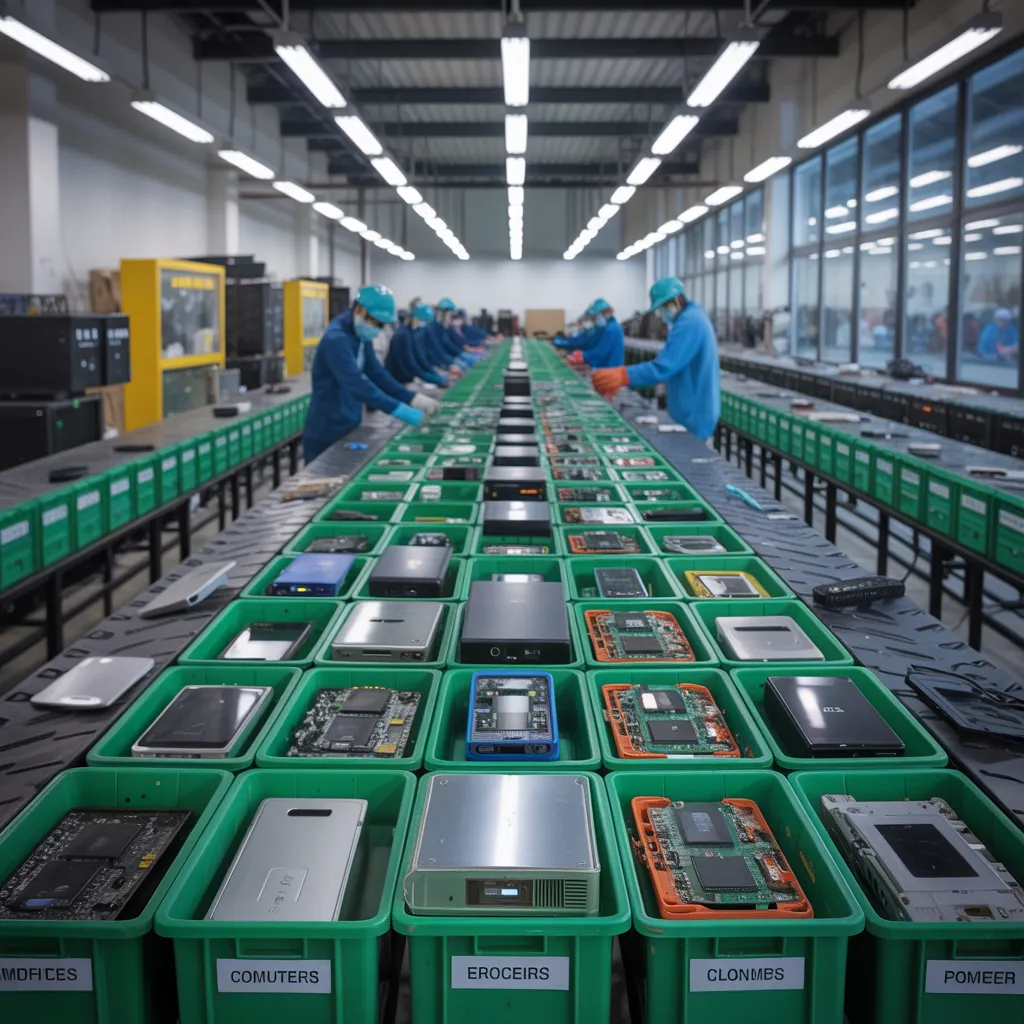
Why E-Waste Poses a Threat to the Planet
Even though technological advancements improve contemporary living, electronic waste presents significant environmental threats. Disposed electronic equipment, often containing hazardous materials such as mercury, lead, and cadmium, can leach toxins into the surrounding soil and water supply, creating hazards for human health and ecosystems. The swift progression of technology results in greater consumer replacement of electronic devices, worsening the buildup of electronic waste.
Landfills, already strained by waste, are unable to keep up with the rising quantities of abandoned electronics. Incineration, another disposal method, releases harmful pollutants into the atmosphere, contributing to air quality degradation. In addition, improper recycling practices can lead to the exportation of e-waste to developing countries, where laborers may dismantle devices without adequate safety measures, exposing themselves to dangerous substances. This cycle of neglect and improper handling underscores the urgent need for sustainable recycling solutions that can mitigate the adverse effects of e-waste on the planet.
What Is E-Waste and Why Is It Important?
Electronic waste, commonly known as e-waste, encompasses obsolete electronic products like smartphones, computers, and televisions that are no longer functional or needed. This increasingly prevalent form of waste is important owing to its accelerating volume, propelled by advances in technology and evolving consumer behaviors. With an increasing number of devices reaching obsolescence, the ecological consequences become more pronounced, with harmful substances like lead, mercury, and cadmium posing risks to ecosystems and human health.
The significance of tackling e-waste extends beyond minimizing these risks to recognizing the valuable resources it holds. Critical metals and rare earth components can be reclaimed and recycled, decreasing the reliance on mining and protecting natural resources. With a thorough understanding of e-waste and its impact, people and organizations alike can make educated decisions about disposal and recycling, helping to build a more sustainable world. Proper management of e-waste is essential for fostering a circular economy and promoting environmental stewardship.
How the E-Waste Recycling Process Works
The recycling of e-waste encompasses a systematic process aimed at reclaiming useful resources while reducing harm to the environment. At the outset, discarded electronics are retrieved and sent to specialized recycling facilities. After reaching the facility, the electronics are carefully categorized to separate hazardous components from recyclable materials.
Next, workers take apart the devices, separating glass, metals, and plastics. This process is vital, as it facilitates the extraction of high-value metals like gold, silver, and copper, which can be reused in new electronic devices.
Following this, the divided materials are handled using state-of-the-art techniques, such as shredding and specialized chemical treatments, to purify them for recycling.
Ultimately, the residual hazardous waste is handled with responsibility, adhering to environmental guidelines. This systematic method not only saves important resources but also minimizes the hazards linked to unsafe e-waste handling, guaranteeing a greener future for electronic device usage.
How E-Waste Recycling Benefits You and Your Community
Though many people are unaware, the advantages of e-waste recycling reach well past personal use to meaningfully influence entire communities. By properly recycling electronic waste, individuals help foster a safer environment, decreasing hazardous materials that can seep into soil and water. This responsible method works to protect local ecosystems and supports public health.
Moreover, electronic waste recycling supports workforce growth within communities. Nearby recycling establishments regularly need employees for a range of functions, covering everything from collection to processing, consequently creating meaningful employment for community members. This not only stimulates the local economy but also fosters community involvement in eco-friendly practices.
Additionally, understanding of e-waste recycling may result in awareness campaigns, encouraging residents to make environmentally conscious decisions. By engaging with e-waste recycling programs, individuals promote a culture of sustainability, encouraging others to join the movement. Overall, the combined impact of these actions can result in a more resilient and environmentally responsible community.
How to Select an E-Waste Recycling Service
Selecting the right e-waste disposal service is crucial for ensuring that e-waste is handled responsibly and sustainably. First, individuals should confirm the provider's certifications, such as R2 and e-Stewards certifications, which indicate conformance to professional guidelines for safe recycling practices. Additionally, it is advisable to examine the company's reputation by reviewing feedback and looking for referrals from reliable sources.
Moreover, clarity in the recycling process is essential. A trustworthy company should offer detailed insights about the way e-waste is handled and how the materials are utilized. Moreover, considering the scope of services provided can prove valuable; certain providers may offer collection services or present rewards for recycling.
Finally, learning about Get access area-specific requirements for e-waste disposal can help inform the selection process. When these considerations are given priority, residents can actively participate in effective e-waste management as well as promoting eco-friendly habits.
Ways You Can Participate in E-Waste Recycling?
Participating in e-waste recycling may begin at the local level, where community recycling hubs regularly supply essential services for responsible disposal. Furthermore, joining community awareness campaigns can strengthen efforts to educate others about the importance of responsible e-waste management. These actions not only advance environmental sustainability but also cultivate a collective sense of responsibility toward the environment.
Regional Recycling Centers
Several local recycling centers serve a vital function in electronic waste recycling, supplying communities with reliable ways to discard electronic waste in an eco-friendly way. These stations receive a range of electronic items, including used computers, handheld devices, and televisions, verifying that toxic materials are disposed of safely. Most stations have knowledgeable personnel who support individuals in understanding proper disposal practices, stressing the significance of recycling instead of landfilling. Moreover, many centers offer planned drop-off gatherings or set collection days, allowing residents to take part with ease. By utilizing these local services, residents support a circular economy, lowering environmental harm and encouraging sustainable habits. Working alongside these hubs enables communities to combat e-waste pollution successfully.
Public Awareness Initiatives
Community groups, educational institutions, and companies can partner to arrange initiatives that encourage e-waste collection drives. Volunteers can play a pivotal role in promoting knowledge, handing out educational content, and interacting with the surrounding community. Through these collective efforts, residents become more informed and motivated to recycle their electronic waste, thereby helping to build a greener and more sustainable tomorrow.
Questions We Often Receive
What Kinds of Electronics Can Be Recycled?
A wide range of electronics may be recycled, including laptops, televisions, smartphones, printers, computers, and gaming consoles. Moreover, ancillary devices such as mice, keyboards, and batteries are well-suited for recycling, contributing to efforts to conserve the environment.
Are There Any Costs Associated With E-Waste Recycling?
That's correct, electronic waste recycling sometimes comes with fees, based on the service provider. Certain providers impose charges for collection or processing, while other facilities provide no-cost solutions, often subsidized by the proceeds from salvaged materials.
How Can Businesses Benefit From E-Waste Recycling?
Companies can take advantage of e-waste recycling by lowering disposal expenses, improving their green reputation, meeting compliance standards, reclaiming useful materials, and potentially generating revenue through resale, thereby fostering a more environmentally responsible business approach.
What Occurs with Data on Recycled Devices?
Information from refurbished equipment is commonly completely removed or destroyed throughout the recycling process. This confirms confidential data is kept safe, blocking unwanted intrusion while permitting components to be recycled securely and sustainably in new products.
Can I Recycle Broken Electronics?
Yes, damaged electronics can be recycled. Several facilities process damaged devices, providing responsible disposal and retrieval of recoverable materials. Doing so helps minimize environmental impact while fostering eco-friendly recycling methods to control electronic waste effectively.